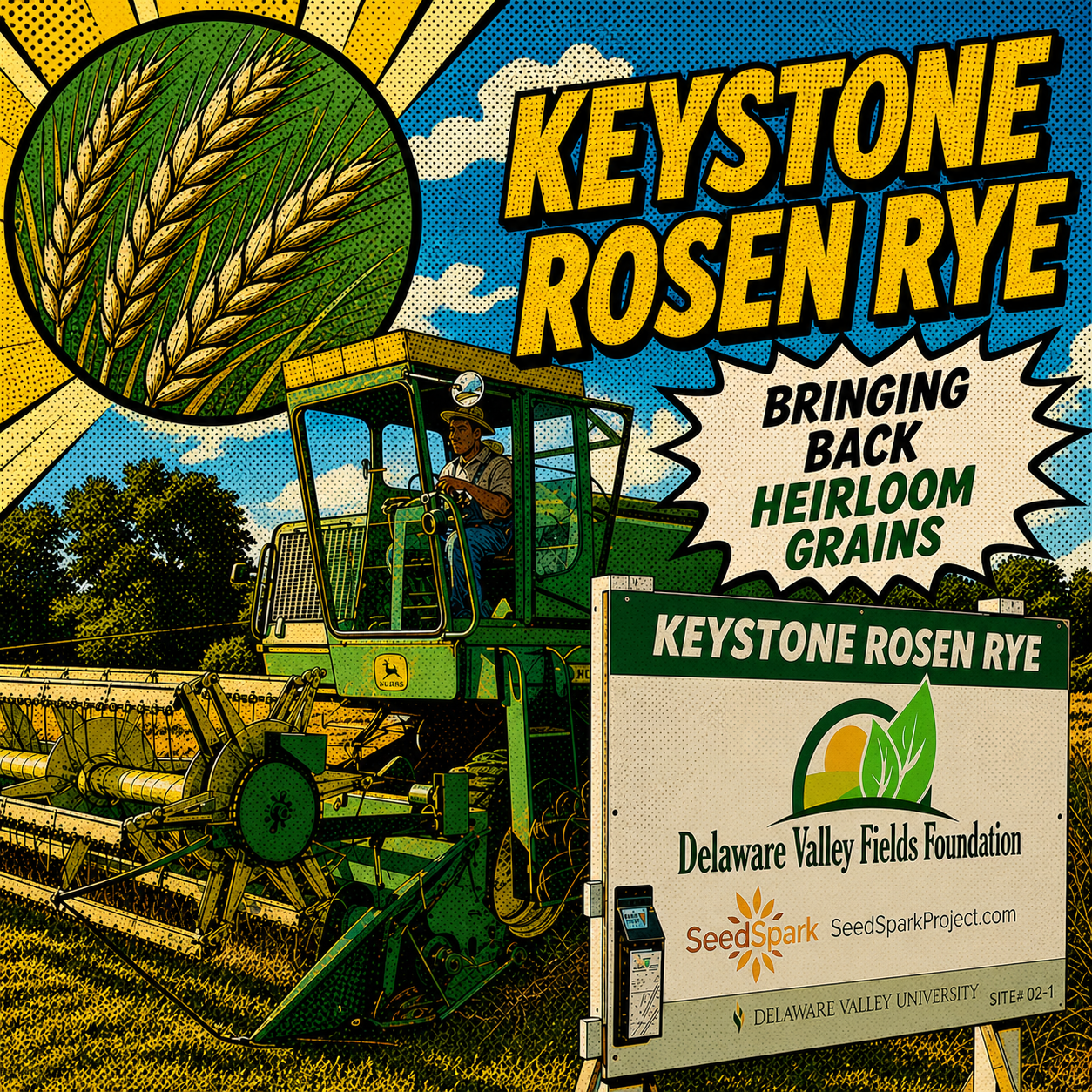
Rosen Rye- A Chance to Distill History
For years, I’ve heard the stories about Rosen rye, this almost mythical grain tied to early American distilling. The deeper I researched it, the more I realized it wasn’t just a story, it was a missing piece of flavor.
This is something a lot of people don’t realize, the grains we use today are not the same grains that built this industry. They’ve been optimized for yield and economics, not necessarily for flavor. That shift has quietly changed what American whiskey tastes like compared to what it once was.
And then… it came back.
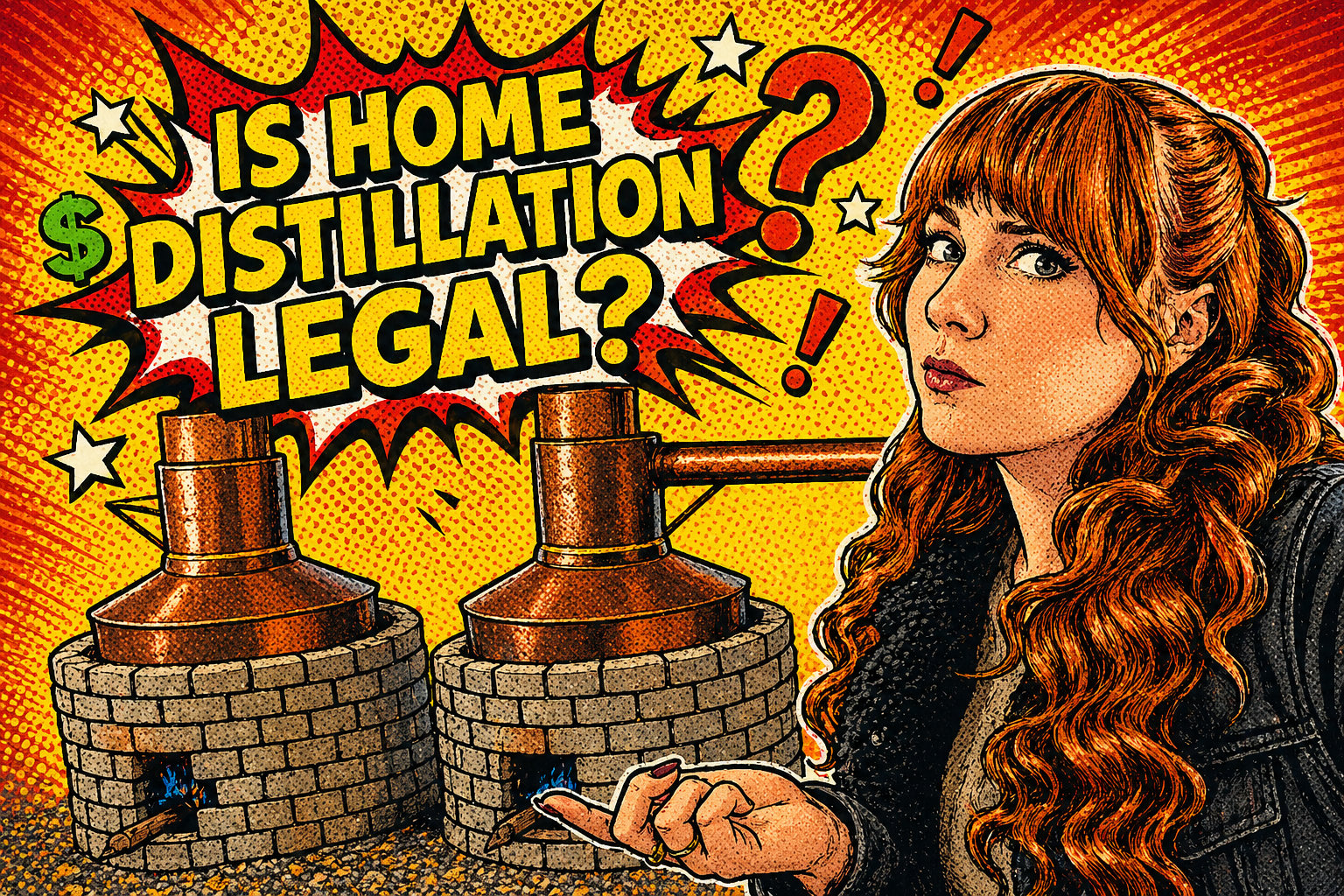
“Home Distillation Is Legal Now?”
If you’re a home distiller, you need to read this. Because what you’re seeing online is not the full story. Here’s the real story behind the headlines.
If you’ve been scrolling lately, you’ve probably seen the same claim pop up over and over again: a 158-year-old federal ban on home distillation has been ruled unconstitutional. I have been sent many links and questions from friends and students asking what actually happened, so here it is. It sounds like a massive shift, something that would change the entire landscape of distilling in the United States overnight. But like a lot of viral headlines, the truth is more complicated, and a lot less settled than it’s being made out to be….
The Spirit of Medicine
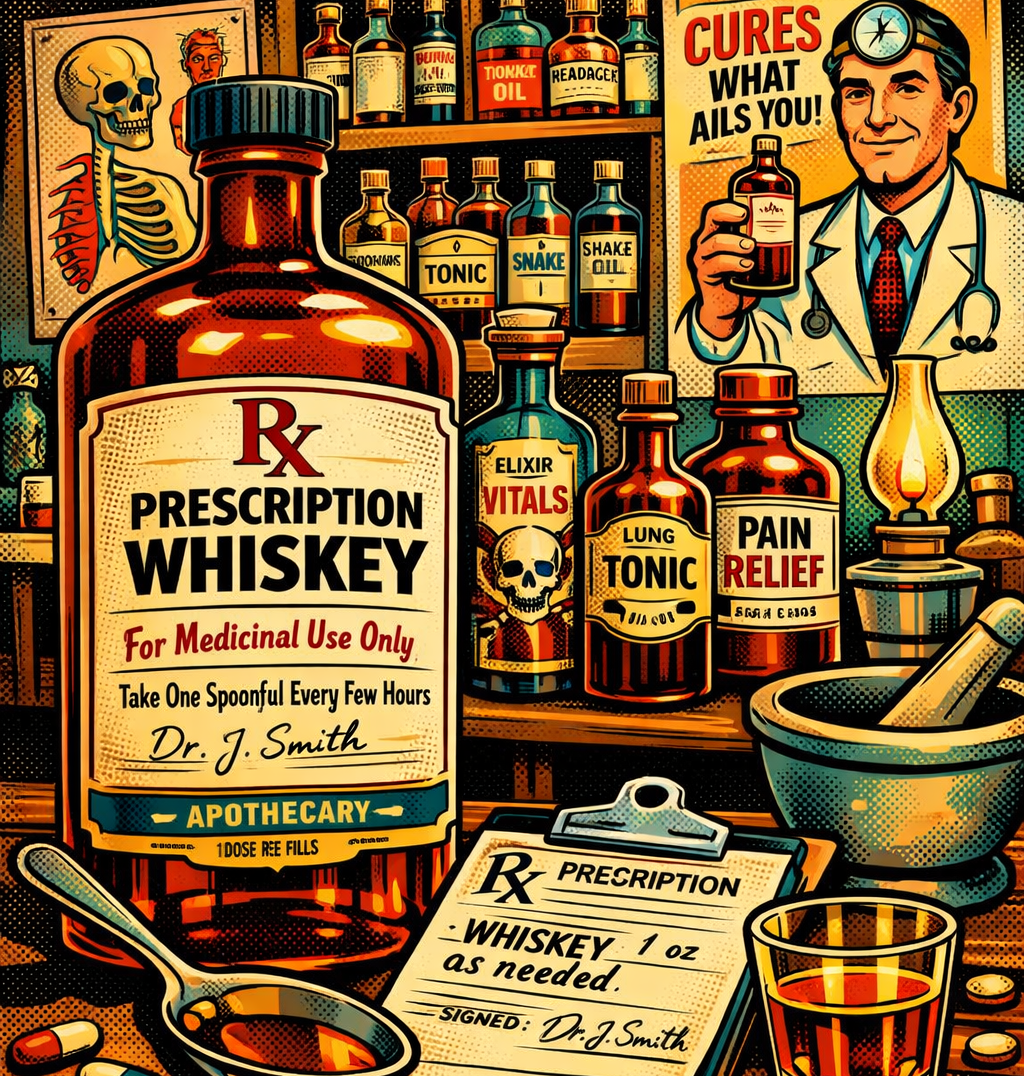
During Prohibition in the early 1900s, alcohol was illegal in the United States, but not entirely. If you wanted it legally, you could still obtain it… “as medicine”. You would go to a doctor, receive a “prescription” for whiskey, and take that prescription to a pharmacy to have it filled.
And the list of “medical reasons” was almost comical by today’s standards.
Strawberry Brandy: Do Strawberries make Hot Liquor?
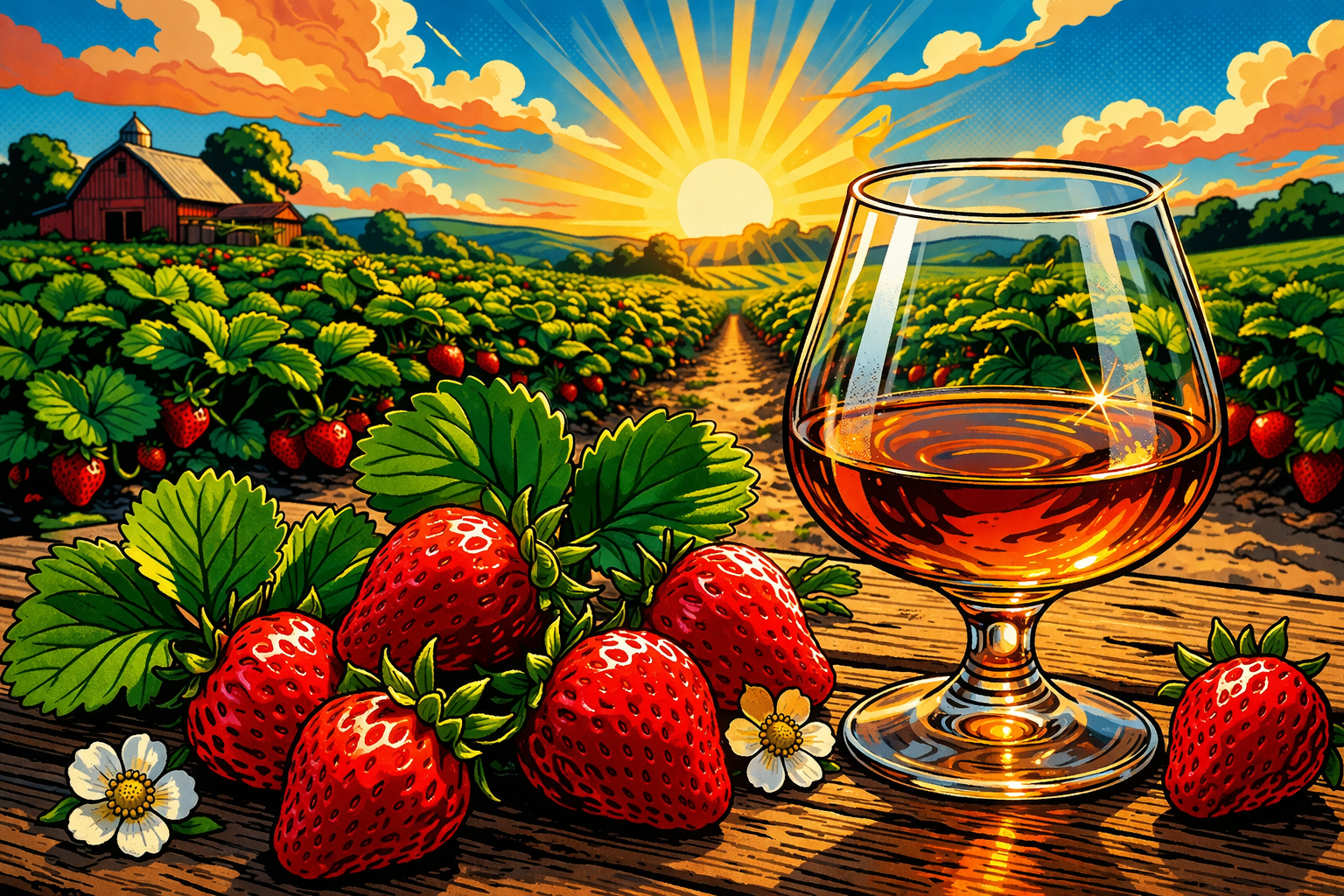
I’ve heard a lot of people blame strawberries for bad or hot Liquor… and I don’t think the strawberries deserve it. This article actually started with a simple question.
What do I need to know for healthy strawberry fermentation? And the more I sat with it, the more I realized this is one of those answers that shouldn’t just live in a message or a quick reply. It’s something many people run into, and it’s worth understanding properly.
Through the Charcoal: What We Keep, What We Lose Charcoal Filtration
Through the Charcoal: What We Keep, What We Lose
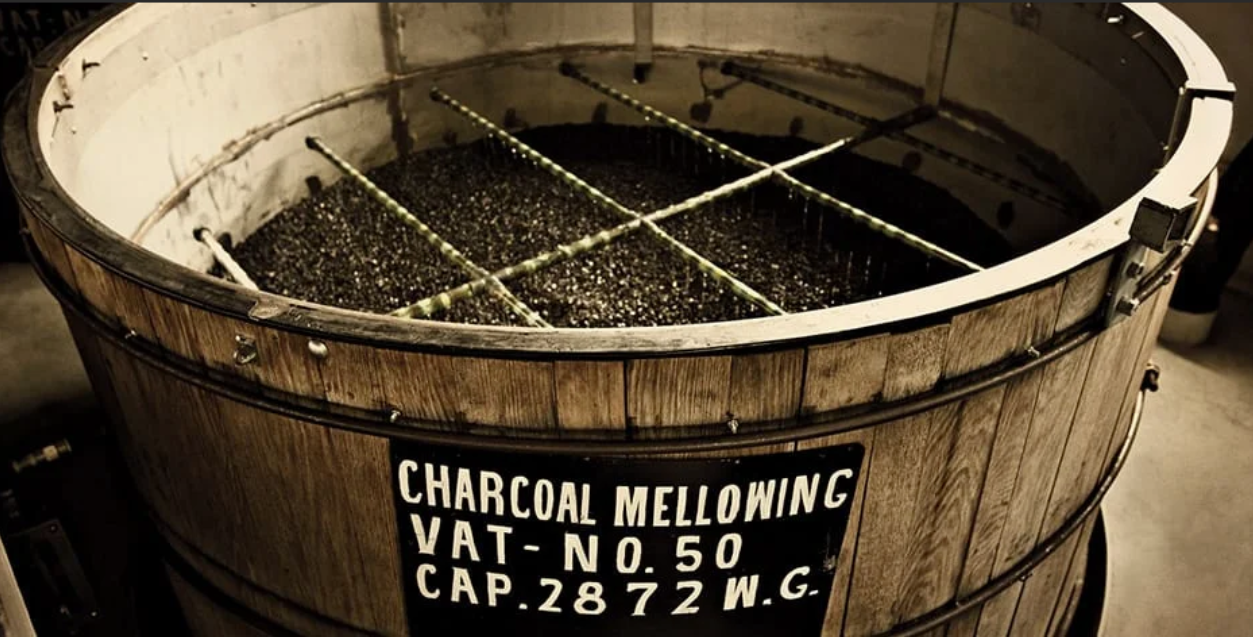
Charcoal Filtration: This piece started with a question.
A student distiller reached out, working through her process, trying to make sense of charcoal filtration, specifically activated charcoal, what it does, and whether she should be using it at all. It wasn’t a complicated question on the surface, but it’s one that almost every distiller asks at some point. And the more I thought about it, the more I realized the answer isn’t just technical, it’s philosophical. It’s the kind of question that doesn’t just shape a batch; it shapes how you approach the craft. So instead of a quick answer, this felt like something worth unpacking.
Did You Know… America’s First Whiskey Wasn’t Bourbon? It Was Rye.
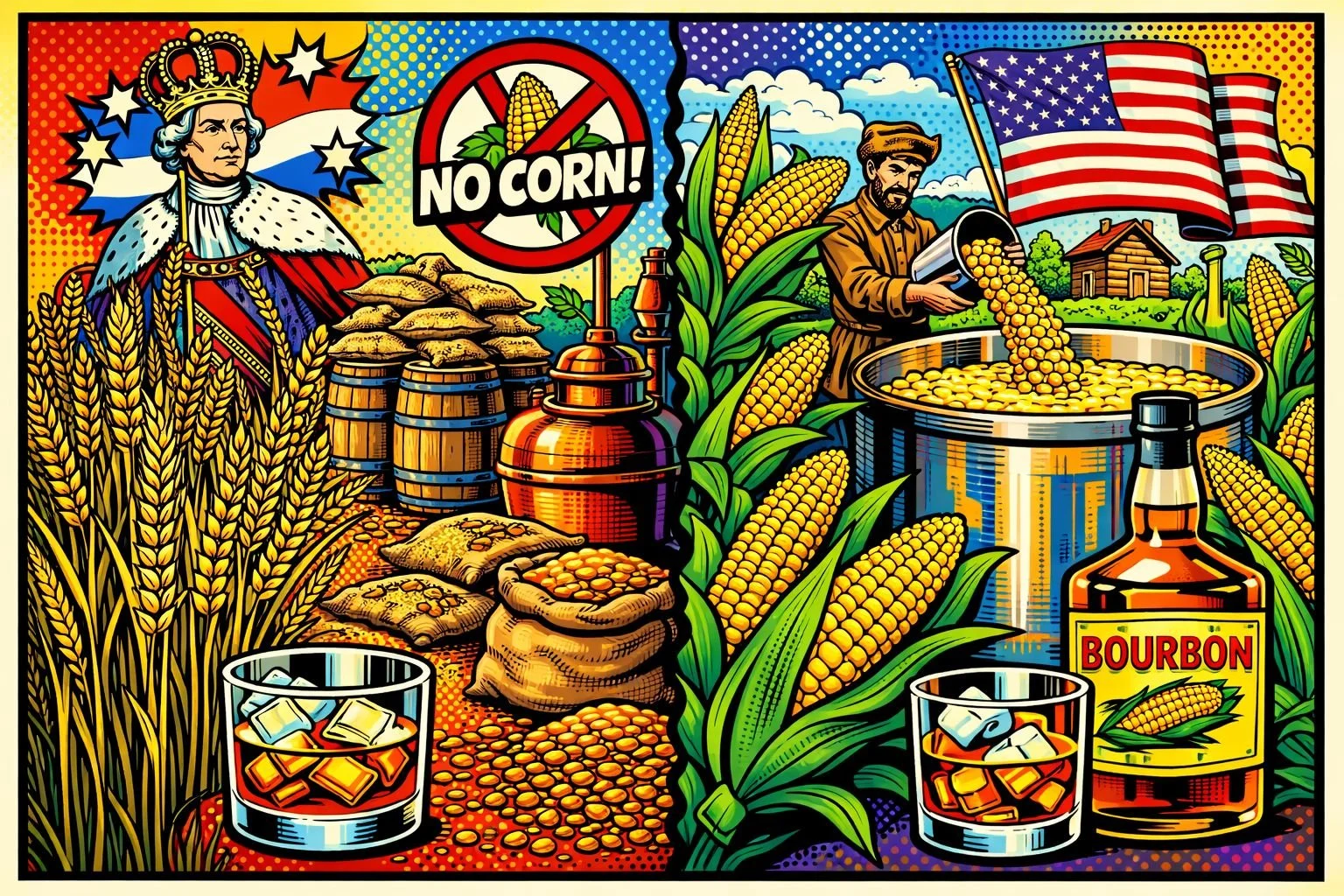
Did you know.. In early colonial America, whiskey didn’t start with corn; it started with rye.
Most of the first distillers in the colonies were of Scots-Irish and German descent, bringing with them Old World distilling traditions. Rye thrived in the rocky soils and cooler climates of Pennsylvania and the Mid-Atlantic, and it was already familiar to European distillers. For decades, rye whiskey was the dominant American spirit.
Corn, despite being abundant, was a different story.
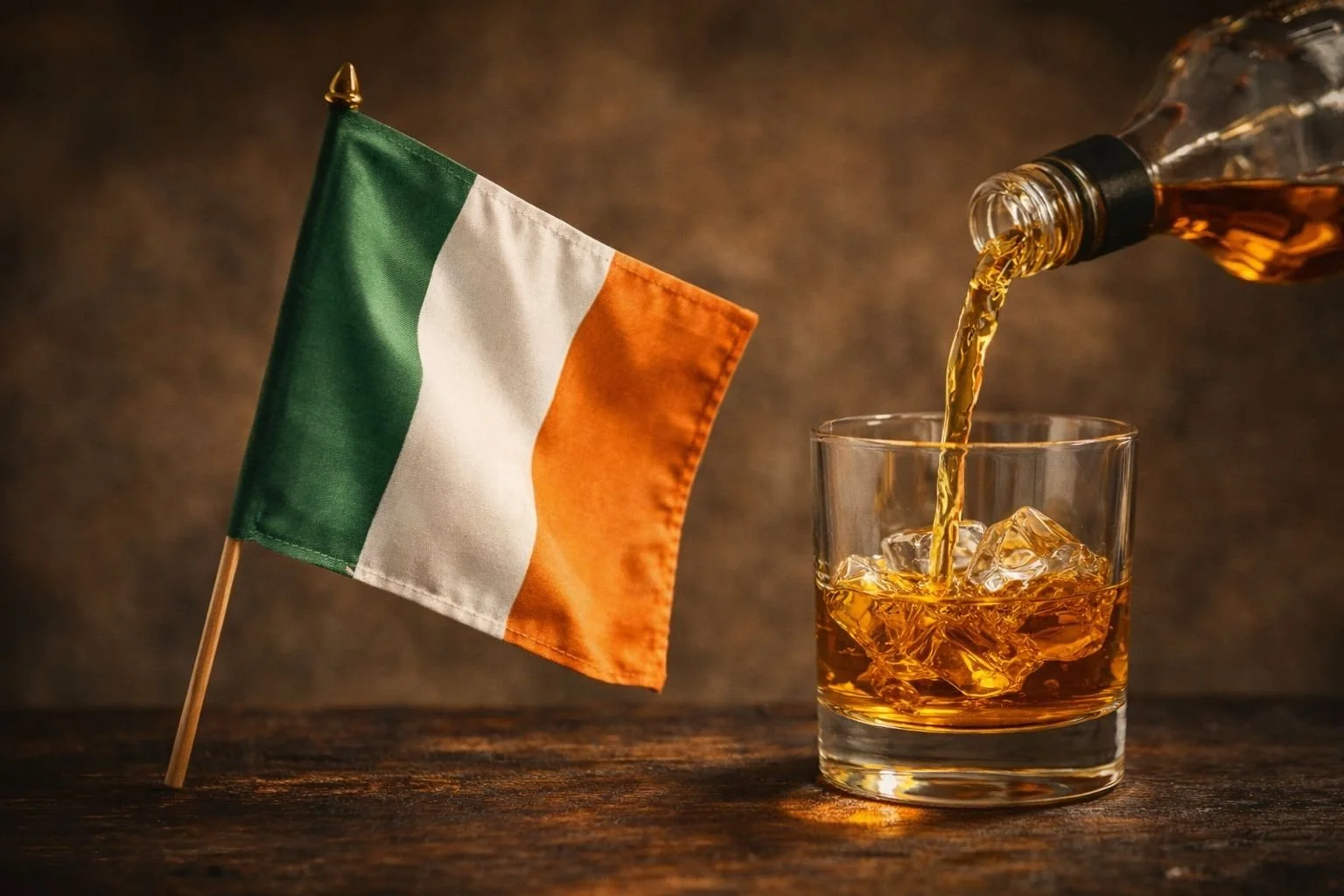
The History of Irish Whiskey
A Journey Through Ireland’s Legendary Spirit
So what makes a whiskey an Irish whiskey?
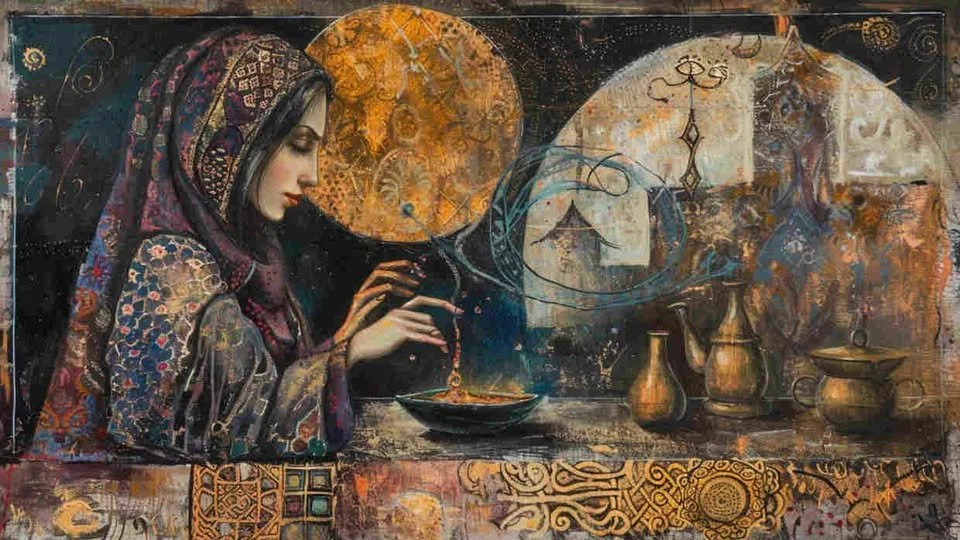
Mary the Jewess: First Distillation Apparatus
The earliest form of the pot still is widely attributed to Maria the Jewess, a pioneering alchemist of the ancient world who is credited with developing early distillation apparatus such as the alembic. Long before modern stillhouses and commercial spirits,
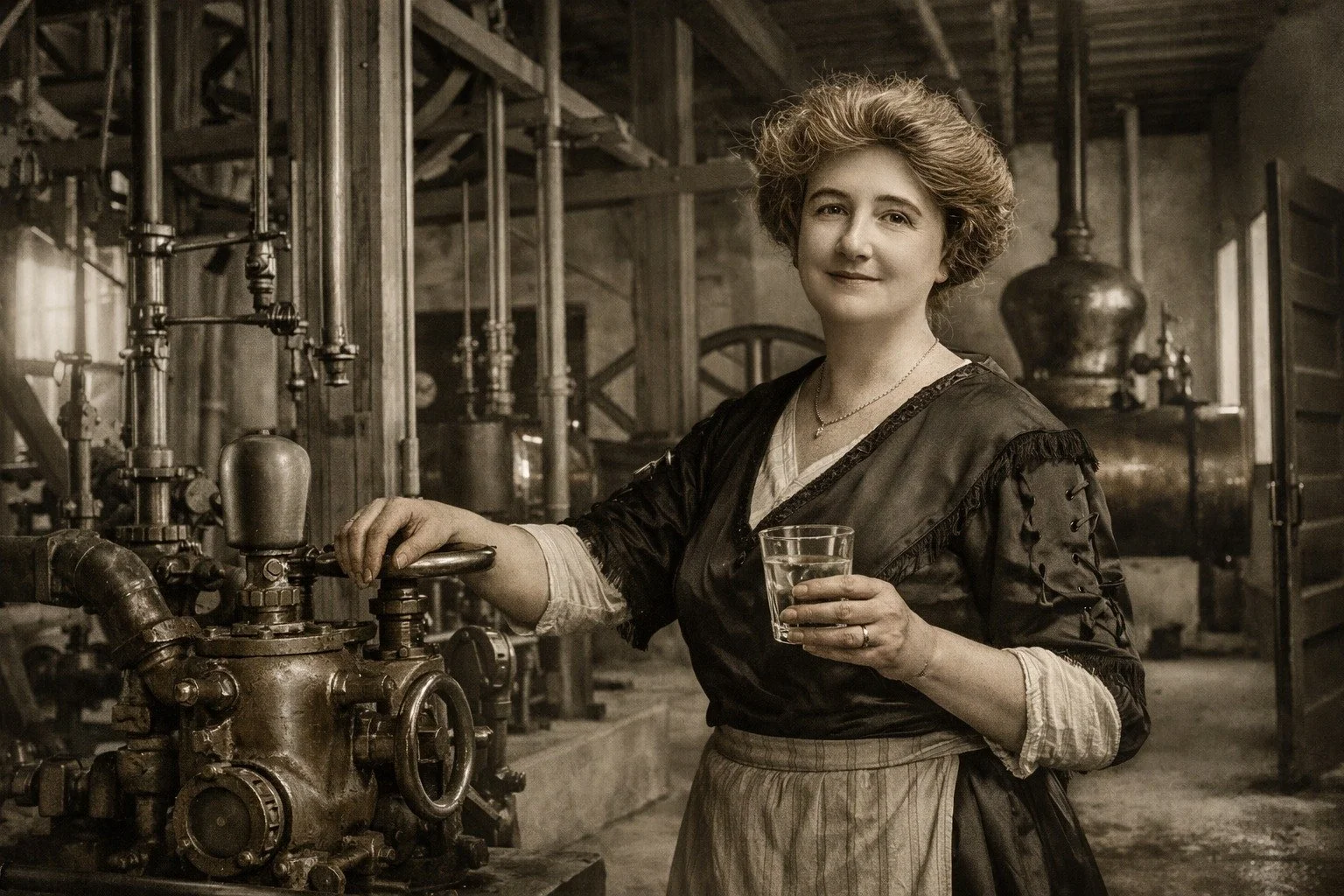
Mary Dowling: The Mother of Bourbon
Can you imagine the courage it took to pack up your home, your distillery, and your entire livelihood and move them from Kentucky to Mexico in the early 1900s?
When the United States outlawed whiskey in 1920, one Kentucky distiller packed up her stills, crossed the border, and kept making bourbon anyway.
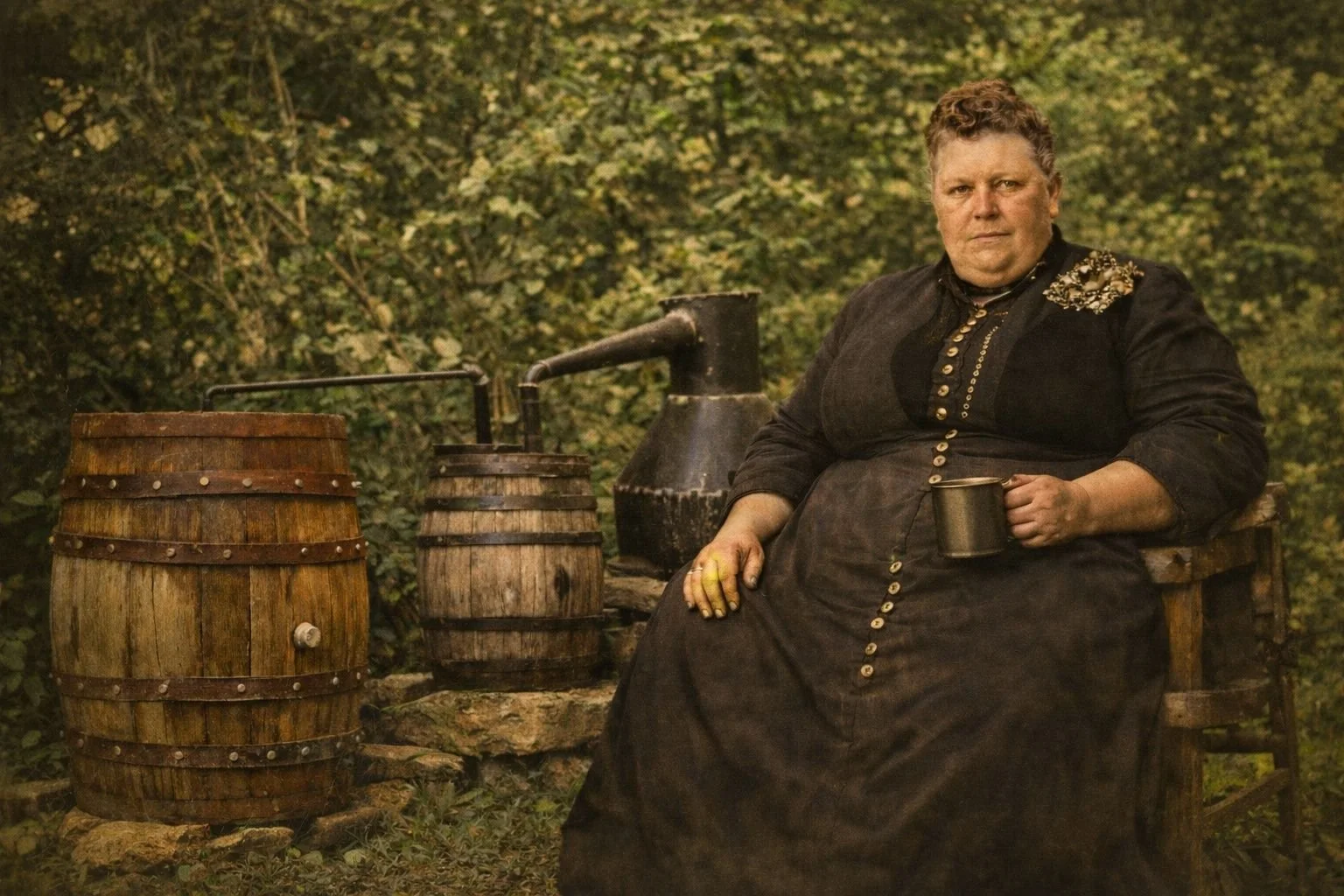
Mahala Mullins: The Legendary Moonshiner aka Big Haley
Imagine running so much illegal moonshine that the federal government couldn't even get you out of your house to arrest you. Big Haley did just that.
Telling the Stories of Women in Distilling
Mahalia Mullins, better known as Big Haley, carved her name into Appalachian folklore as one of the most infamous moonshiners in American history